Cannabis Legalization and Regulation in Maryland
Maryland has two regulated cannabis markets, medical and adult-use. Its medical program was established in 2014. Maryland legalized adult-use cannabis in July 2023 following voter approval of a 2022 ballot referendum. Adults 21 and older may legally possess up to 1.5 ounces of cannabis flower, 12 grams of concentrates, or cannabis products containing up to 750 milligrams of THC. At home, adults may also cultivate up to two plants per household for personal use. Public consumption is prohibited, and driving under the influence remains illegal.
Retail cannabis sales began statewide in July 2023. Licensed medical dispensaries were allowed to convert into dual-license retailers to serve both medical and adult-use customers, creating immediate access across the state. The Maryland Cannabis Administration oversees licensing and compliance for cultivators, processors, retailers, testing labs, and delivery services. The program includes strong social equity provisions, reserving new licenses for applicants from communities disproportionately impacted by prohibition.
Maryland’s medical cannabis program, launched in 2017, continues to operate alongside adult-use sales. Registered patients may access higher possession limits, purchase a wider variety of products, and receive tax exemptions. Medical patients also retain access to home cultivation under program rules.
Hemp and hemp-derived CBD products are legal in Maryland if they contain no more than 0.3% THC. Intoxicating hemp-derived cannabinoids, including delta-8 THC, are restricted and regulated within the cannabis framework when produced or sold for consumption. All products must meet state requirements for testing, labeling, packaging, and age restrictions.
Federal rules are changing as well. In April 2026, the federal government moved marijuana covered by a qualifying state medical license to Schedule III, which removes the Section 280E tax penalty for that medical activity, while adult-use marijuana remains in Schedule I. Operators with both medical and adult-use activity will need clear records separating the two. Separately, a narrower federal definition of hemp took effect on November 12, 2026, moving many intoxicating hemp-derived products outside the federal hemp category.
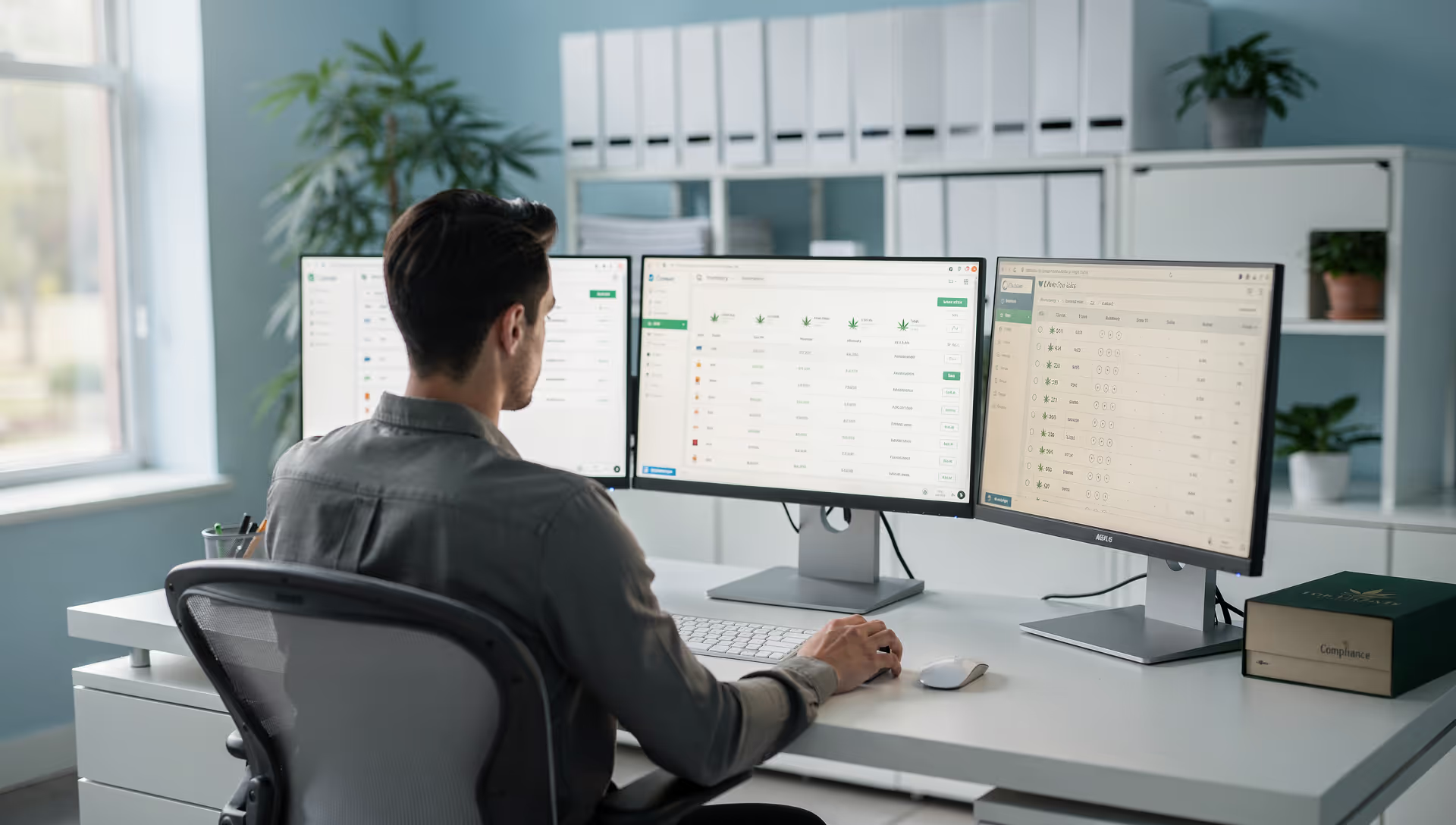
For cannabis operators, Maryland represents a fast-growing market with strong consumer demand. Banks and financial service providers require detailed compliance documentation, including licensing verification, tax IDs, beneficial ownership records, operating agreements, and financial statements. Because cannabis remains largely cash-intensive, secure armored transport, reconciled deposits, AML/BSA monitoring, and audit-ready accounting are critical for maintaining financial relationships. Operators must also comply with Maryland’s cannabis excise tax and sales tax rules to avoid interruptions in service.
The Maryland Cannabis Administration regulates both adult-use and medical cannabis programs. For official program details, licensing resources, and compliance updates, visit: https://mmcc.maryland.gov
Disclaimer: The information on this page is provided for general informational purposes only and does not constitute legal, tax, regulatory or financial advice. Cannabis and hemp laws and regulations change frequently, and while we strive to keep this content current, Safe Harbor Financial makes no representations or warranties as to its accuracy, completeness or timeliness. Do not rely on this information as a substitute for advice from a qualified attorney, accountant or other professional. Always consult official Maryland and federal sources for current requirements. Safe Harbor Financial disclaims any liability for actions taken or not taken based on the content of this page. Last updated November 2026.